

Colon cancer, also called colorectal cancer, is one of the most preventable cancers when detected early. Understanding the warning signs and staying up to date with screening can help catch problems before they become serious.
Signs and Symptoms
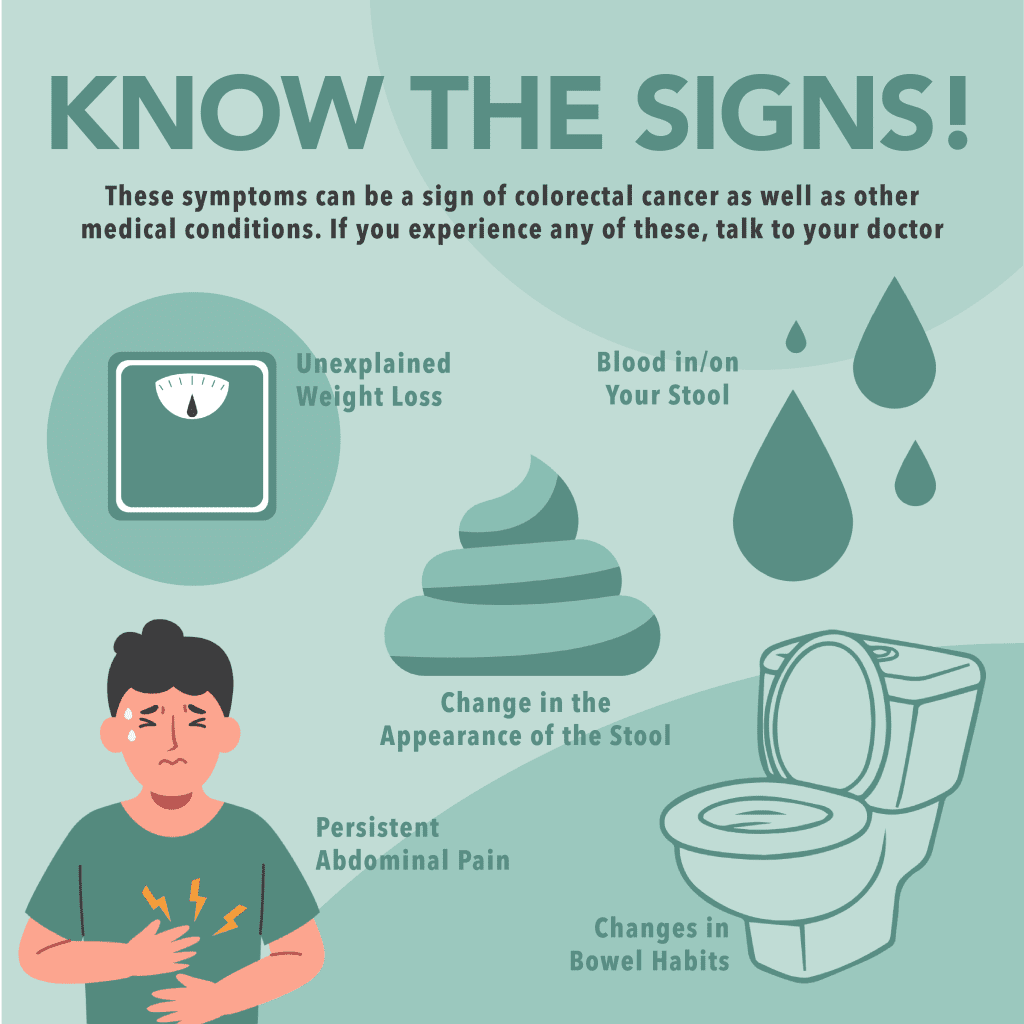
Colon cancer does not always cause symptoms in its early stages, which is why screening is so important. However, there are some warning signs you should never ignore.
Common symptoms may include:
-
Changes in bowel habits, such as diarrhea or constipation
-
Blood in the stool or dark stools
-
Abdominal pain, cramping, or bloating
-
Feeling like your bowel does not empty completely
-
Unexplained weight loss
-
Ongoing fatigue or weakness
These symptoms do not always mean cancer, but if they persist, it’s important to talk with your healthcare provider.
When Should You Get Screened?
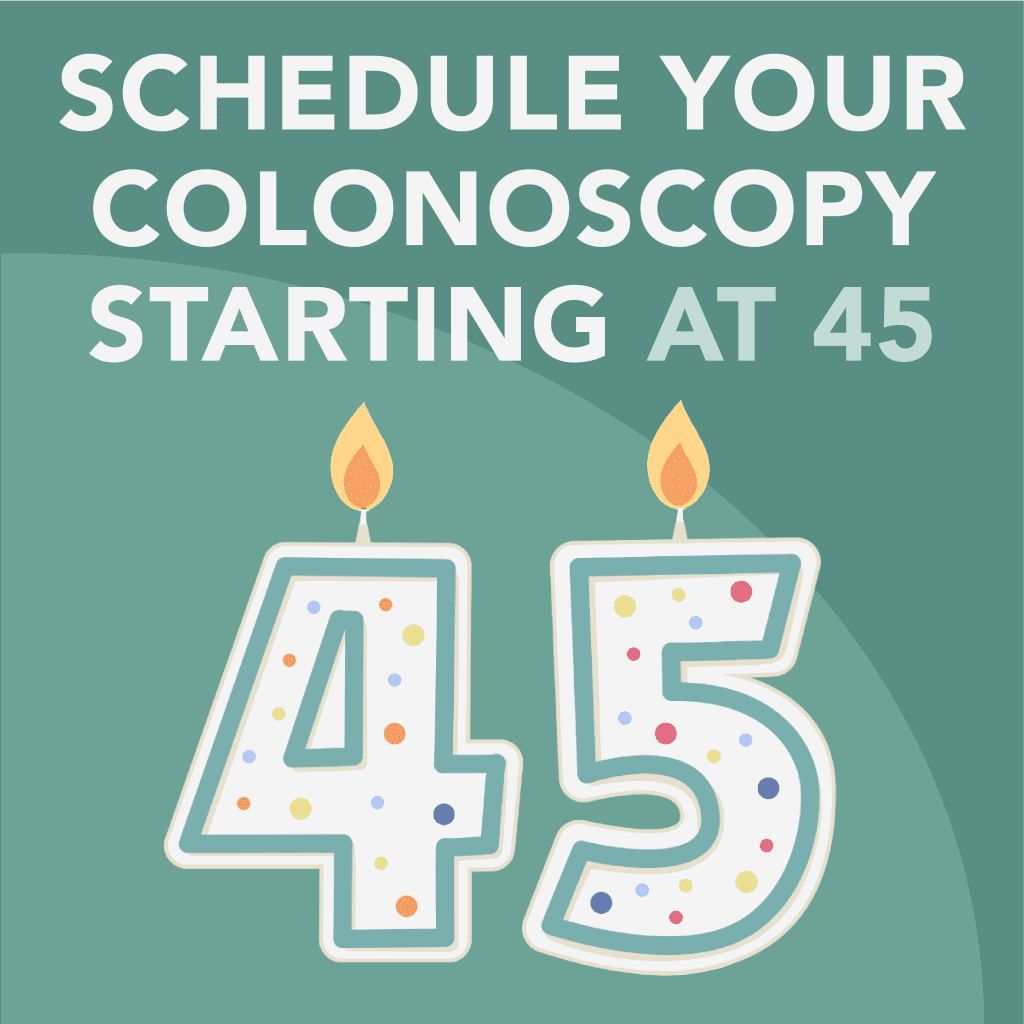
For most people at average risk, colon cancer screening should begin at age 45.
Some people may need to start screening earlier, especially if they have:
-
A family history of colon cancer
-
A personal history of colon polyps
-
Certain digestive conditions, such as inflammatory bowel disease
Your healthcare provider can help determine the right screening schedule for you.
Color Cancer Screening Options
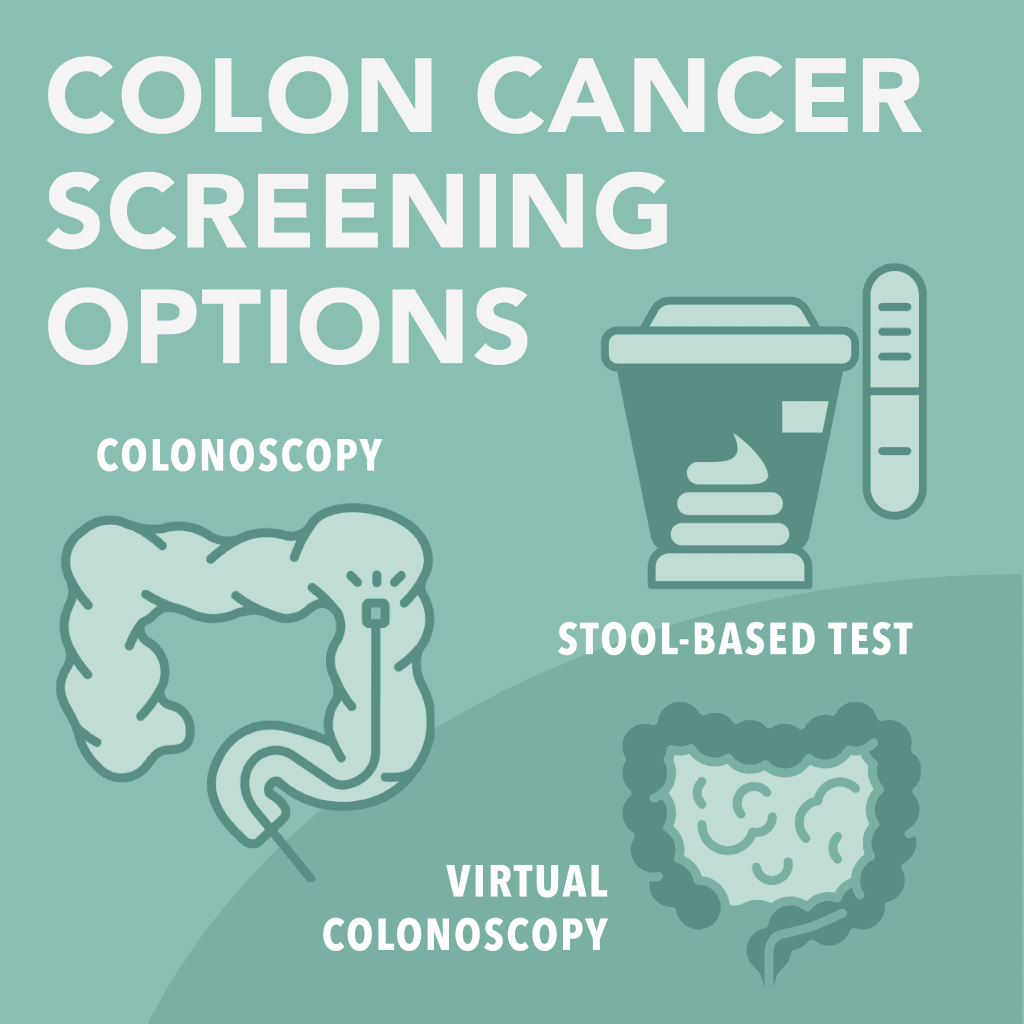
There are several ways to screen for colon cancer. The right option depends on your health history and personal preference.
Colonoscopy
A colonoscopy is the most comprehensive screening test. A doctor uses a small camera to examine the entire colon and can remove polyps during the procedure before they turn into cancer.
Stool-based tests
These at-home tests check for hidden blood or abnormal DNA in stool samples. They are non-invasive but must be done more frequently. If results are abnormal, a colonoscopy is usually recommended.
CT colonography (virtual colonoscopy)
This imaging test uses a CT scan to create pictures of the colon. If abnormalities are found, a colonoscopy may still be needed.
Take the First Step
If you are 45 or older, or experiencing symptoms, talk with your healthcare provider about colon cancer screening.
Early detection saves lives, and screening is one of the most effective ways to protect your health.